
Dena Star Trading L.L.C.
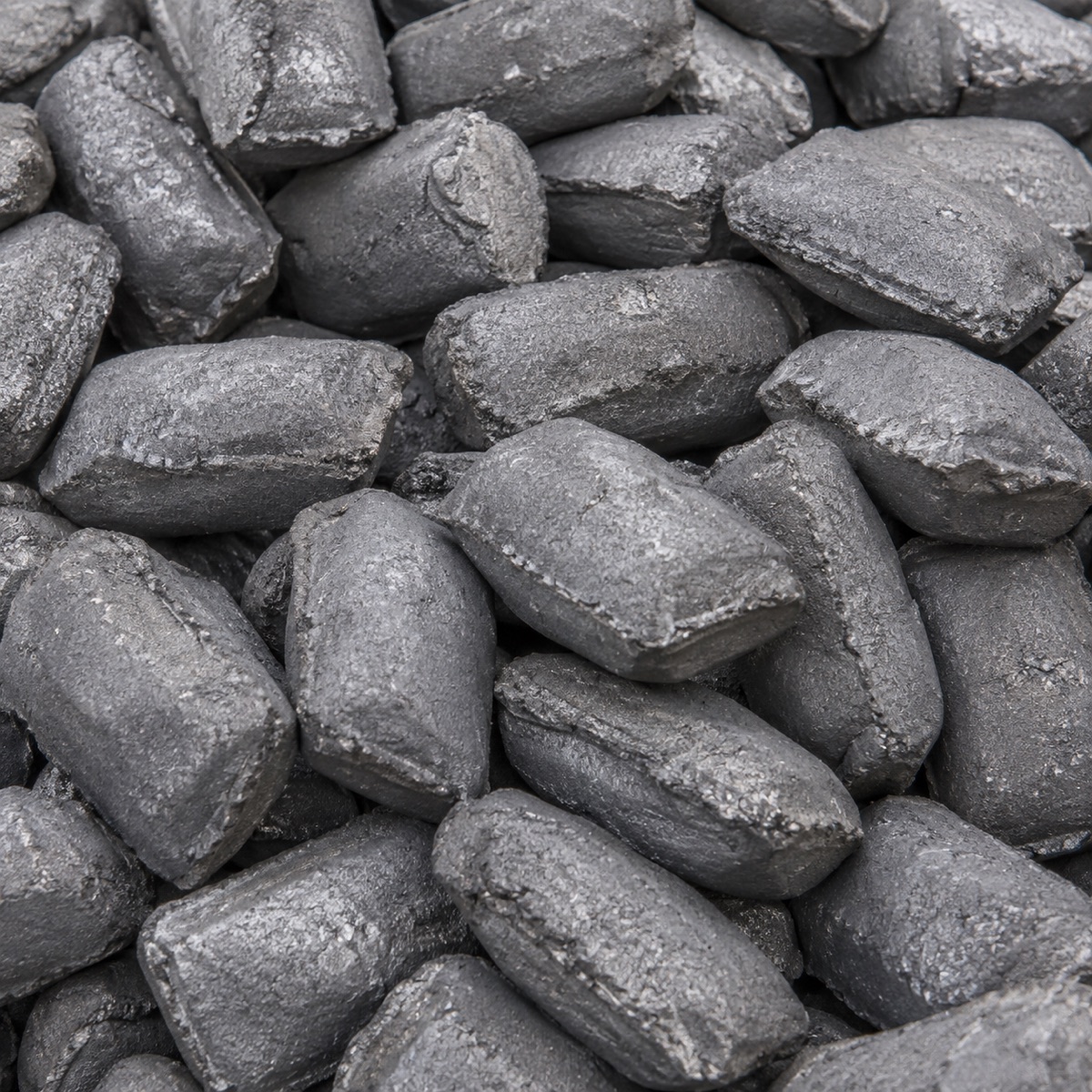
Hot briquetted iron samples
Representative product image.
Iron & steel / HBI

Hot Briquetted Iron

Compacted direct-reduced iron for steelmaking enquiries.

Request for Quotation
01 / Product overview

About this product

HBI is direct-reduced iron pressed into dense briquettes while hot. Steelmakers use it as an iron input alongside other metallic materials. Its compact form makes it easier to handle than loose direct-reduced iron.

Hot Briquetted Iron is a compacted form of direct-reduced iron used as a metallic input in steelmaking. An enquiry should define both the chemical composition and the physical properties required by the receiving plant.

Technical reference

Analysis

HBI is assessed by total iron, metallic iron, metallisation and residual gangue. The typical analysis below is an illustrative reference, not a single mandatory chemistry grade.

Reading the values

≤ Maximum · ≥ Minimum

A dash between two values indicates a range.

Composition profile

Typical HBI chemical analysis

Illustrative profile from ore containing 65.5–68.0% Fe. Composition is by mass; metallisation is a percentage ratio.

Typical HBI chemical analysis
ParameterReference valueUnit
Total iron (Fe)88.3–94.0%
Metallic iron (Fe)83.0–88.4%
Metallisation94.0%
Carbon (C)0.5–1.6%
Sulphur (S)0.001–0.03%
Phosphorus pentoxide (P₂O₅)0.005–0.09%
Gangue3.9–8.6%

P₂O₅ is reported as oxide, not elemental phosphorus. Gangue includes unreduced oxides such as silica and alumina.

Confirm whether chemical percentages are reported on a dry or as-received basis before comparing certificates.

Reference values for comparing enquiries. The agreed specification and shipment certificate of analysis determine acceptance.

Composition profile

Typical HBI physical characteristics

Illustrative dimensions, densities and fines for HBI; actual characteristics depend on the production process.

Typical HBI physical characteristics
ParameterReference valueUnit
Briquette dimensions(90–140) × (48–58) × (32–34)mm
Fines and chips≤5.0%
Apparent density>5.0t/m³
Bulk density2.5–3.3t/m³

Briquette density and bulk density describe different measurements and are not interchangeable.

These tables describe reference composition options. Final chemistry and delivery requirements are confirmed in the quotation and heat-analysis certificate.

02 / Specification guide

Define your
requirement.

These are the details to provide, not a fixed offered specification.

Iron & metallisation
Total iron, metallic iron and metallisation requirements.
Chemistry
Carbon, sulphur, phosphorus and gangue requirements.
Size & fines
Briquette dimensions and permissible fines.
Physical properties
Apparent density, tumble and abrasion indices.
Shipment condition
Moisture requirements and applicable cargo schedule.
Commercial terms
Quantity, destination port, delivery window and packing or bulk handling.
03 / Documents to request

Make the brief
complete.

State which documents and approvals are required. Availability and scope are confirmed for each enquiry.

  1. 01

    Batch certificate of analysis and agreed physical test reports.

  2. 02

    Shipper-provided safety data sheet.

  3. 03

    Cargo declarations and shipment certificates required for the agreed transport route.

Prepare an enquiry