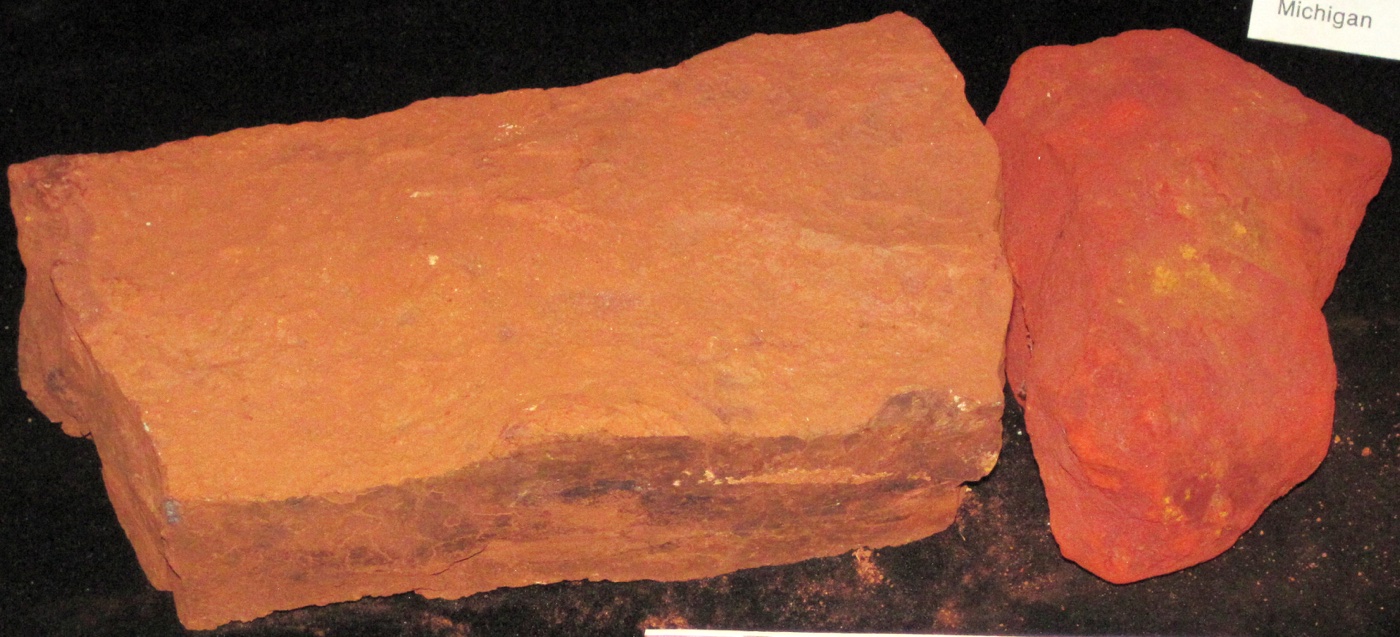
Sized iron ore is prepared by crushing, screening and separating ore into useful particle-size fractions. The route differs from the finer grinding used to make concentrate. The two catalogue sizing options are fines from 0 to 10 mm and lump ore from 10 to 30 mm.
Size affects handling, blending and the process that can accept the material. Suitable lump ore may be charged directly to an ironmaking furnace, while fines may require concentration or agglomeration first. The catalogue describes upgraded ore around 60–68% iron, but the actual grade depends on the deposit and processing. The illustrative assay below shows why gangue and impurity results should be reviewed alongside total iron.
Size guide
Sizes & dimensions
Sized iron ore — Size guide
Parameter
Size or format
Fines
0–10 mm
Lump ore
10–30 mm
Delivery form
Screened loose bulk; packing by agreement
These are sizing options for crushed ore. Agree the selected fraction, fines allowance and shipment assay before ordering.
Technical reference
Analysis
Iron ore has no universal chemical grade. An illustrative 62% Fe fines profile shows the main analysis items used when discussing sinter feed.
Reading the values
≤ Maximum · ≥ Minimum
A dash between two values indicates a range.
Composition profile
62% Fe fines — illustrative analysis
Illustrative chemical percentages for high-grade iron ore fines. This is a reference example, not a current sales specification or shipment analysis.
62% Fe fines — illustrative analysis
Parameter
Reference value
Unit
Iron (Fe)
62.0
%
Silica (SiO₂)
5.55
%
Alumina (Al₂O₃)
2.60
%
Manganese (Mn)
0.04
%
Phosphorus (P)
0.069
%
Sulphur (S)
0.009
%
These tables describe reference composition options. Final chemistry and delivery requirements are confirmed in the quotation and heat-analysis certificate.
02 / Specification guide
Define your requirement.
These are the details to provide, not a fixed offered specification.
Application
Intended use, processing route and required delivery condition.
Chemical composition
Required element ranges and impurity limits.
Dimensions & tolerances
Required dimensions, length or particle sizing and permitted tolerances.
Quality requirements
Relevant mechanical or physical properties and inspection requirements.
Packing & identification
Packing format, bundle or lot identification and handling requirements.
Commercial terms
Quantity, delivery destination and required delivery window.
03 / Documents to request
Make the brief complete.
State which documents and approvals are required. Availability and scope are confirmed for each enquiry.
01
Batch or heat certificate of analysis for the agreed material.
02
Dimensional and relevant physical or mechanical inspection reports.
03
Packing list, lot identification and agreed shipment documents.