Dena Star Trading L.L.C.
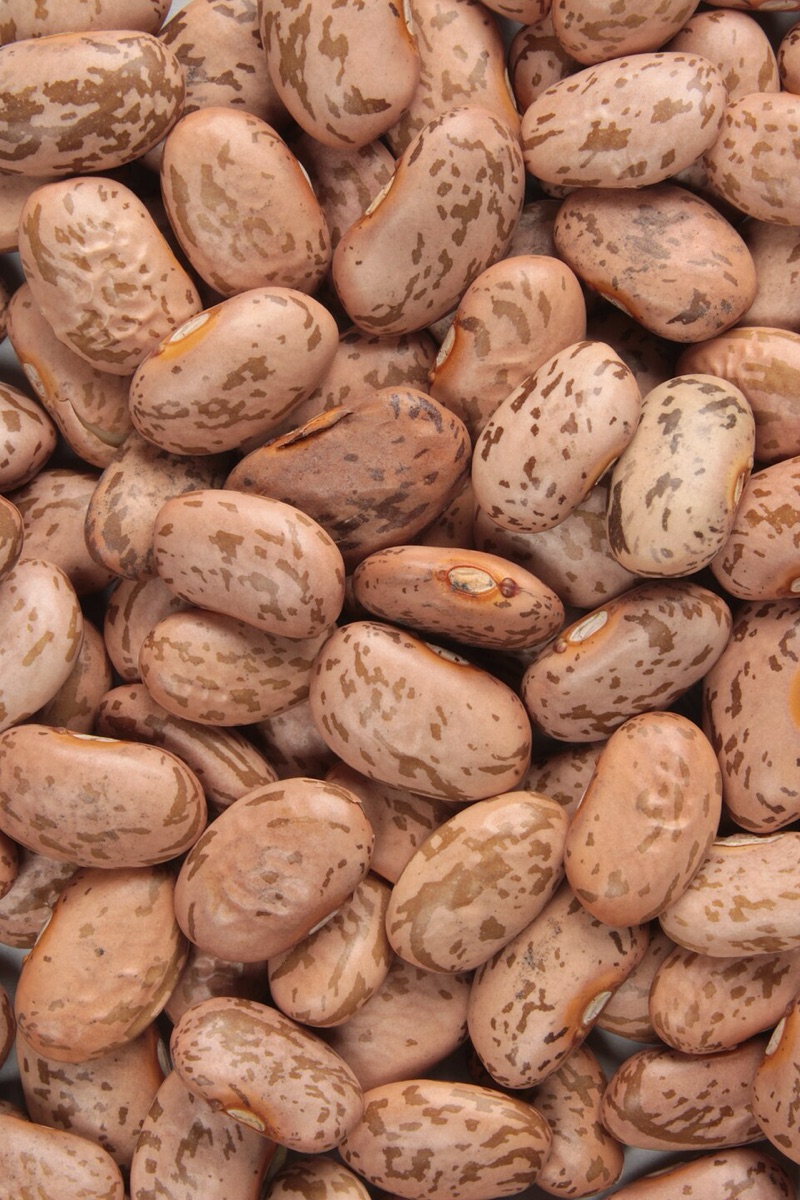
Close-up of dry pinto beans with brown speckled skins
Representative product image. Photo: Bean appreciator · CC0
Food industry / PNT

Pinto beans

Speckled dry beans for stews, cooked dishes and packing, with agreed size and cooking quality.

Request for Quotation
01 / Product overview

About this product

Pinto beans are a recognised class of dry beans, distinguished by brown mottling over a beige seed coat. Their mild flavour and creamy cooked texture make them useful in dishes served with whole beans as well as mashed preparations. The speckled dry appearance is a useful identifying feature, but pinto should be named explicitly because other mottled bean classes are different products.

Appearance and cooked texture

An even size range helps beans cook more consistently within a batch. Intact seed coats and a low proportion of split or damaged beans are especially useful for whole-bean dishes. The distinctive markings become less pronounced during cooking. Colour, size and condition therefore describe the dry product, while a cooking assessment reveals how evenly the beans soften.

Food uses

Pinto beans work well in soups, slow-cooked stews, bean salads and dishes served alongside rice. They can also be mashed for fillings, dips and refried-bean preparations. A recipe that presents individual beans benefits from shape retention, whereas a mashed product needs an even, creamy consistency. Food processors may evaluate the beans in the intended cooking or canning process.

Packing and storage

Food-grade bags protect dry beans from contamination and make individual lots easier to identify. Keep them in a clean, dry store with protection from pests and moisture, allowing access for routine inspection. Avoid torn bags, contact with damp surfaces and storage beside strong-smelling materials. Stock rotation and clear lot records help preserve consistent handling throughout storage and distribution.

Common product questions

Do pinto beans keep their mottled appearance after cooking?

Their brown markings normally become less distinct during cooking. The dry seed pattern helps identify the market class, but the appearance of the cooked dish should be assessed separately from the raw beans.

Is every speckled bean a pinto bean?

No. Pinto is a named commercial class, and other beans may also have speckled coats. Confirming the class avoids substitutions that could change bean size, flavour, presentation or the desired cooking result.

Why assess cooking quality as well as size?

Beans that look similar can soften differently because crop condition and storage history also matter. A representative cooking assessment shows whether the lot gives the even texture needed for whole-bean or mashed dishes.

Technical reference

Reference analysis

The table provides reference quality criteria for the named pulse prepared for direct human consumption. The applicable moisture ceiling depends on climate, storage duration and whether the seed coat has been removed.

Reading the values

≤ Maximum · ≥ Minimum

A dash between two values indicates a range.

Reference analysis

Whole pinto beans — reference quality limits

Phaseolus vulgaris

Whole, seed-coated product. Both moisture options are shown; choose the applicable option rather than treating the higher figure as suitable for every shipment.

Whole pinto beans — reference quality limits — Phaseolus vulgaris
ParameterReference valueUnit
Moisture — tropical climate or long storageLong storage: more than one crop year.≤ 15% m/m
Moisture — moderate climate or short storage≤ 19% m/m
Total extraneous matter≤ 1.00% m/m
Mineral matterIncluded in total extraneous matter.≤ 0.25% m/m
Impurities of animal originIncluded in total extraneous matter.≤ 0.10% m/m

Scope excludes pulses for factory grading and packing, industrial processing or animal feed. Agree a separate specification for those uses.

For the same pulse without its seed coat, each reference maximum moisture value is reduced by two percentage points.

A lower moisture limit may be needed for the destination climate and the duration of transport or storage.

m/m means percentage by mass. These selected quality limits do not replace a complete purchase specification or destination requirements for contaminants and hygiene.

These are published reference values for the named grade or product. The agreed order specification and the mill or batch certificate of analysis determine the supplied material.

02 / Specification guide

Define your
requirement.

These are the details to provide, not a fixed offered specification.

Bean identity
Pinto market class, variety if required, and whole dry-bean presentation.
Size & appearance
Seed count or sieve size, mottling and an agreed colour reference sample.
Defects & admixture
Limits for splits, cracked seed coats, damaged beans and other bean classes.
Moisture & texture
Agreed moisture maximum and, where needed, a cooking test for even softening.
Origin & crop year
Country of origin, harvest year and lot identity; agree a representative sample.
Packing & delivery
Food-grade bag format, net weight, total quantity, destination and delivery window.
03 / Documents to request

Make the brief
complete.

State which documents and approvals are required. Availability and scope are confirmed for each enquiry.

  1. 01

    Lot-linked inspection report covering agreed moisture, size and defect limits.

  2. 02

    Origin, crop year, packing list and batch traceability records.

  3. 03

    Phytosanitary and other destination documents where required.

  4. 04

    Agreed pesticide-residue and contaminant test reports, where applicable.

Prepare an enquiry